Why Texture Matters More Than Flower Type
When couples begin planning their wedding flowers, the first question is often about specific blooms.
Do we want peonies? Garden roses? Ranunculus?
While flower varieties certainly matter, professional floral design is rarely built around a single type of bloom. Instead, the most compelling arrangements are created through texture.
Texture is what brings depth, movement, and life into floral design. It is the balance between delicate petals, sculptural blooms, airy foliage, and organic branches. When these elements come together, an arrangement begins to feel layered, natural, and visually interesting.
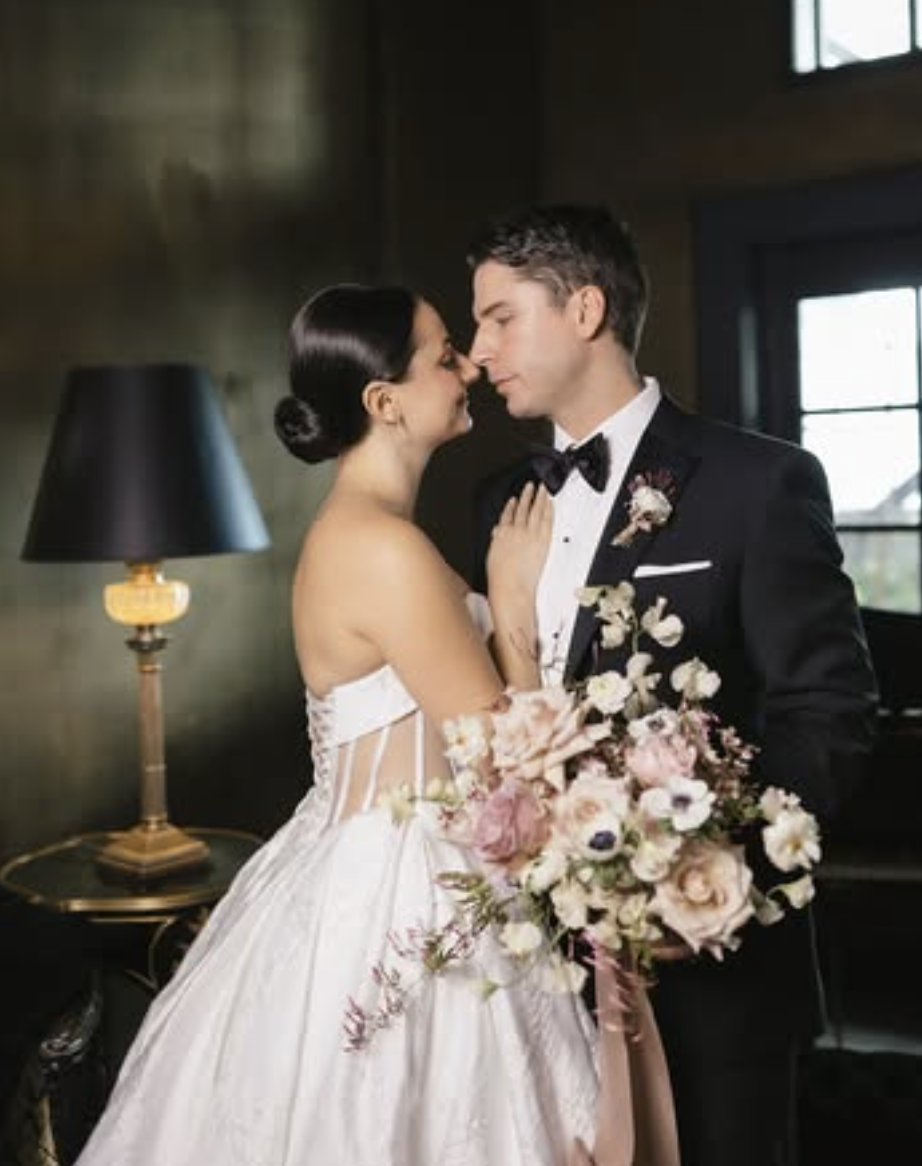
Photo captured by: Alexandrae Photo
Understanding the Role of Texture
In floral design, texture refers to the visual and tactile qualities of each element within an arrangement.
Some flowers are soft and delicate. Others are bold and structured. Some foliage is airy and light, while branches or pods introduce shape and structure.
Combining these different textures creates contrast and balance. Without that contrast, arrangements can feel flat or overly uniform. With it, florals gain movement and dimension.
The Balance of Focal, Supporting, and Textural Elements
Many floral arrangements rely on a balance between three types of elements.
Focal blooms are the flowers that naturally draw attention. These are often larger flowers like garden roses, dahlias, or peonies.
Supporting blooms help build fullness and color throughout the arrangement. These might include ranunculus, spray roses, or smaller seasonal flowers.
Textural elements provide movement and visual interest. These could include grasses, herbs, foliage, branches, or delicate flowers like scabiosa or astrantia.
Together, these layers create arrangements that feel organic and dynamic rather than overly structured.
Texture Creates Emotion
Different textures can dramatically influence how a floral design feels.
Soft, ruffled petals combined with airy foliage create a romantic and whimsical atmosphere. Sculptural blooms paired with structured branches can feel modern and architectural. Wildflowers and grasses introduce movement that feels effortless and natural.
By focusing on texture, florals become expressive. They begin to communicate mood rather than simply displaying color.
Trusting the Design Process
This is why many florists encourage couples to focus less on requesting exact flowers and more on describing the feeling they want their wedding to evoke.
When texture leads the design, florists have the flexibility to choose blooms that are seasonal, fresh, and visually balanced. This approach often results in arrangements that feel more natural and cohesive than designs built around a strict list of flowers.
It also allows the floral design to adapt to what is most beautiful and available at the time of the wedding.
Designing With Depth and Movement
The most memorable floral designs are rarely defined by a single flower. Instead, they are shaped by the way different elements interact with one another.
Soft textures contrast with bold forms. Airy stems create movement around sculptural blooms. Layers of foliage add depth and softness.
When texture becomes the foundation of the design, florals begin to feel less like arrangements and more like living compositions.
Because the beauty of wedding flowers is not just found in the blooms themselves.
It lives in the movement, the layers, and the way each element works together to create something truly alive.
INTERESTED IN WORKING WITH MOONFLOWER DESIGN?