
How Your Florals Change From Day to Night
wedding lighting and flowers, ceremony to reception floral design, sunset wedding flowers, candlelight wedding florals, floral texture in photography
Flowers never exist in isolation. They are constantly interacting with their surroundings, and one of the most transformative elements they respond to is light.
From soft morning glow to golden hour warmth and the intimacy of candlelit evening receptions, your florals will shift in mood, depth, and presence as the day unfolds. Designing with light in mind allows your arrangements to feel dynamic and alive, creating a wedding aesthetic that evolves naturally from ceremony to celebration.
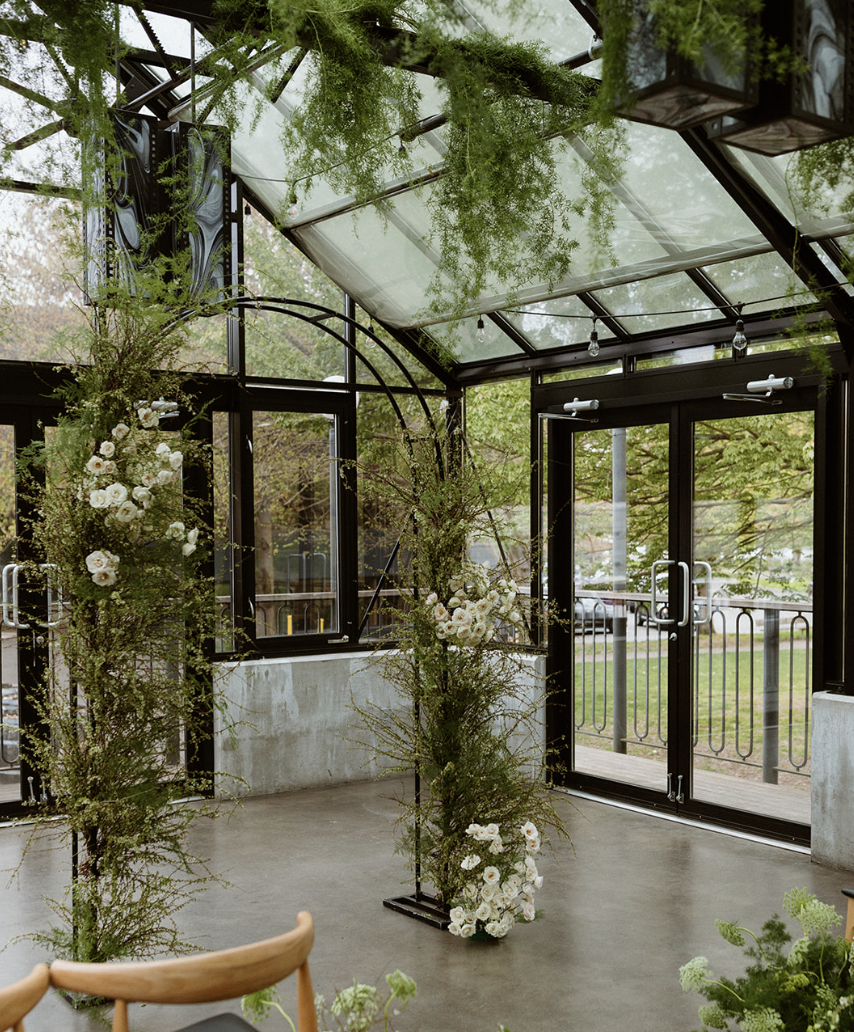
Why Light Should Be Part of the Floral Conversation
Most couples choose their flowers based on color, season, or style. But light determines how those choices are actually seen.
Natural daylight reveals softness and subtle color variation. Golden hour amplifies warmth and romance. Evening lighting introduces contrast, shadow, and glow.
When floral design is created with these transitions in mind, it ensures your flowers feel just as intentional at 9 PM as they did at 2 PM.
Daylight: Airy, Textural, and True to Color
In natural light, every detail is visible. This is where delicate petals, tonal palettes, and gentle movement truly shine.
Florals designed for daytime ceremonies often feature:
Soft, layered color palettes that read clearly in full light
Airy placement that allows each stem to be seen
Textural elements like grasses, spirea, or cosmos that move with the breeze
This is also the time when your surroundings are most present, so florals that complement the landscape or architecture create a seamless and organic experience.
Golden Hour: Warmth, Depth, and Romance
As the sun lowers, colors become richer and more dimensional. Whites turn creamy. Blush tones glow. Deep hues feel even more saturated.
Designing for this moment might include:
Warm-toned florals that catch and reflect the light
Layered textures that create shadow and depth in photographs
Placement that allows the arrangements to be backlit by the setting sun
Golden hour is often when portraits are taken, and florals that respond beautifully to this light become part of the storytelling in your images.
Evening: Glow, Contrast, and Intimacy
Once the sun sets, your flowers enter an entirely different environment. Candlelight, string lights, and ambient lighting create a more intimate and dramatic atmosphere.
Florals for evening should consider:
Strong silhouettes that remain visible in low light
Reflective elements like glossy foliage or metallic vessels
Fuller textures that hold their presence as the room darkens
White and pale blooms can appear luminous in candlelight, while deeper tones create richness and mood.
Designing for the Full Arc of the Day
Your wedding is not a single moment. It is a progression of light, emotion, and experience.
A ceremony installation might feel light and ethereal in the afternoon and then become warm and romantic when repurposed behind your sweetheart table at night. Reception centerpieces that felt fresh and sculptural in daylight can become intimate and glowing under candles.
When florals are designed with this full arc in mind, they remain cohesive while continuously revealing new dimensions.
The Photography Perspective
Light is the foundation of photography, and your floral design plays a major role in how your images will feel.
Airy florals enhance bright, editorial-style portraits
Textural arrangements create depth in low light
Thoughtful color palettes shift beautifully throughout the day
Designing for light ensures your flowers are not only beautiful in person, but also translate effortlessly into timeless imagery.
Letting Your Florals Live in Every Moment
When you begin to think about your flowers as elements that interact with light rather than static décor, the entire design process becomes more intentional.
Your arrangements start to move with the rhythm of the day. They feel alive in every setting. They support each moment rather than simply existing within it.
Because the most memorable wedding designs are not just seen.
They are experienced in changing light, in shifting atmosphere, and in the way they carry you from one part of the day to the next.