
What Happens to Wedding Flowers After the Wedding?
For months, wedding flowers are part of the conversation.
Couples pin inspiration photos, discuss color palettes, meet with florists, and carefully plan each floral moment. Then the wedding arrives, the flowers bloom beautifully throughout the day, and by the next morning, many couples are left wondering:
What happens to wedding flowers after the wedding?
It's a question that doesn't get asked very often, but it's worth considering. Flowers are one of the most meaningful design elements of a wedding, yet they're also one of the most temporary.
The beauty of flowers has always been tied to their fleeting nature. They remind us that some of life's most meaningful moments aren't meant to last forever. Still, there are many thoughtful ways to extend their impact beyond the celebration itself.
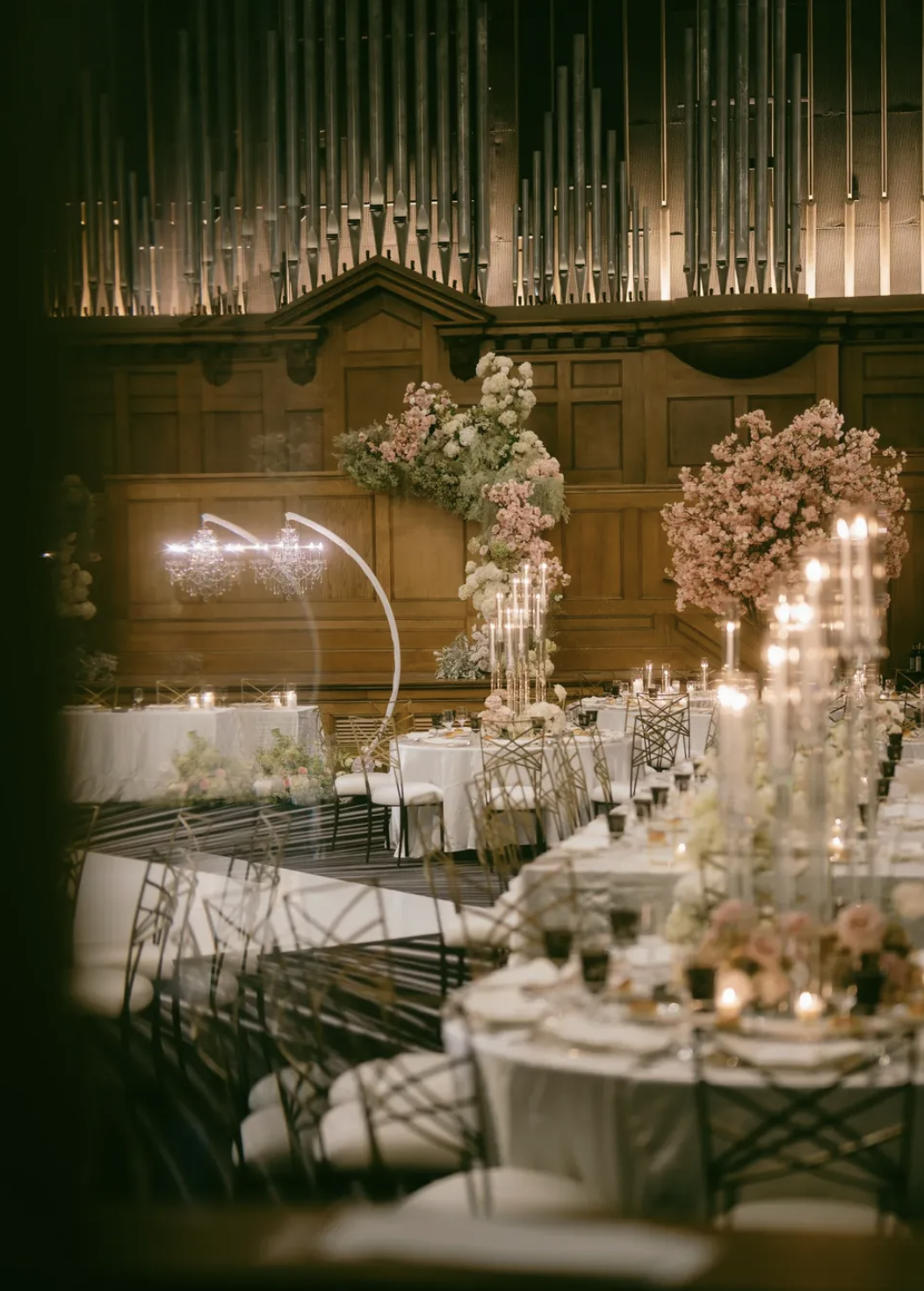
The Life of Wedding Flowers Doesn't End at the Reception
When most people think about wedding flowers, they think about the ceremony and reception. But those arrangements often have plenty of life left in them after the last dance.
With a little planning, wedding flowers can continue bringing joy long after guests have gone home. Some couples choose to preserve meaningful blooms, while others focus on repurposing or donating arrangements to extend their life and purpose.
Thinking about your flowers beyond the wedding day can also encourage more intentional decisions throughout the planning process.
Rethinking the Floral Timeline
Rather than viewing your flowers as décor for a single event, consider them part of a larger story.
A centerpiece that decorates a reception table on Saturday may brighten a nursing home on Sunday. A bridal bouquet may become framed artwork in your home. Ceremony arrangements can be enjoyed by family members or repurposed for post-wedding gatherings.
The celebration may last one day, but your flowers don't necessarily have to.
Giving Flowers a Second Life
Donating Wedding Flowers
One of the most meaningful ways to extend the life of your wedding flowers is through donation.
Many hospitals, nursing homes, assisted living communities, and local organizations welcome floral donations. Arrangements that have already served their purpose at a wedding can continue bringing beauty and comfort to others.
For couples who value sustainable wedding flowers, donation is a simple way to reduce waste while sharing joy with the wider community.
Repurposing Flowers for Post-Wedding Events
Many weddings include brunches, family gatherings, or casual celebrations in the days that follow.
Repurposing wedding flowers for these events allows you to continue enjoying them while getting even more value from your floral investment.
Centerpieces, bouquets, and ceremony arrangements can often transition beautifully into these smaller gatherings with very little effort.
Sharing Flowers With Family and Friends
Sometimes the simplest option is also the most meaningful.
Inviting loved ones to take arrangements home at the end of the evening allows your flowers to continue being enjoyed while creating a small reminder of the celebration.
Guests often appreciate leaving with a floral arrangement, and it ensures the flowers continue brightening homes rather than being discarded.
Preserving Meaningful Blooms
Bouquet Preservation Options
For many couples, the bouquet carries the most emotional significance.
Professional preservation allows flowers to be transformed into keepsakes through pressing, framing, drying, or resin art. These preserved pieces become lasting reminders of the wedding day and can be displayed in your home for years to come.
Preservation offers a way to hold onto a small piece of the celebration while honoring the beauty of the original blooms.
Creating Lasting Keepsakes
Bouquets aren't the only flowers worth preserving.
Many couples choose to save a few stems from significant arrangements or preserve flowers that carry personal meaning. Even a single bloom can become a meaningful keepsake when connected to an important memory.
The goal isn't necessarily to preserve everything. It's to preserve what matters most.
Sustainable Wedding Flowers Beyond the Celebration
Composting and Responsible Disposal
Not every flower can be preserved or donated, and that's okay.
Composting allows flowers to return naturally to the earth, continuing the cycle they began as living plants. For many sustainability-minded couples, this feels like a fitting conclusion to the floral lifecycle.
Flowers are, after all, part of nature. Returning them to nature can be one of the most thoughtful choices available.
Choosing Flowers With Sustainability in Mind
If sustainability is important to you, conversations about the afterlife of your flowers can begin during the planning process.
Seasonal wedding flowers, locally sourced blooms, reusable vessels, and repurposed arrangements all contribute to a more environmentally conscious celebration.
Small decisions made early can have a meaningful impact later.
The Beauty of Something Temporary
Perhaps the most important thing to remember is that flowers were never meant to last forever.
Part of what makes them meaningful is their temporary nature.
They bloom. They fade. They remind us to be present.
In many ways, wedding flowers mirror the celebration itself. A wedding day is fleeting, but the memories created during it endure. The flowers simply help tell the story.
More Than a Single Day
When people ask what happens to wedding flowers after the wedding, the answer is often much more than they expect.
Some are carefully preserved and transformed into keepsakes that will hang on walls or sit on shelves for years to come. Some are donated to hospitals, nursing homes, or community organizations where they continue bringing beauty and joy to others. Some are repurposed for post-wedding brunches or family gatherings, extending their role in the celebration. And some simply return to the earth, completing the natural cycle from which they came.
But regardless of where they end up, all of them become part of the memory.
The bouquet you carried down the aisle. The flowers that framed your vows. The centerpieces guests gathered around as they shared stories and raised glasses. These arrangements may be temporary, but the moments connected to them are not. Long after the flowers themselves have faded, they remain woven into the experience of the day.
Perhaps that's part of what makes flowers so meaningful in the first place. They remind us that beauty doesn't have to last forever to leave a lasting impression. Their purpose isn't simply to decorate a space for a few hours. It's to help mark a moment in time, create atmosphere, and become part of a story that will be remembered for years to come.
And perhaps that's their greatest purpose of all. Not just to be admired while they're in bloom, but to leave behind something far more lasting than petals themselves.