
How Many Wedding Flowers Do You Actually Need? A Room-by-Room Guide
One of the most common questions couples ask during the planning process is surprisingly simple: how many wedding flowers do we actually need?
The answer is rarely a specific number. Every wedding is different, every venue has different needs, and every couple prioritizes floral design differently. What feels essential for one celebration may feel unnecessary for another.
The good news is that creating a beautiful floral experience isn't about filling every available space. It's about understanding where flowers have the greatest impact and designing intentionally around those moments.
If you're feeling overwhelmed by endless floral possibilities, this room-by-room guide can help you determine what you truly need and what you can confidently leave out.
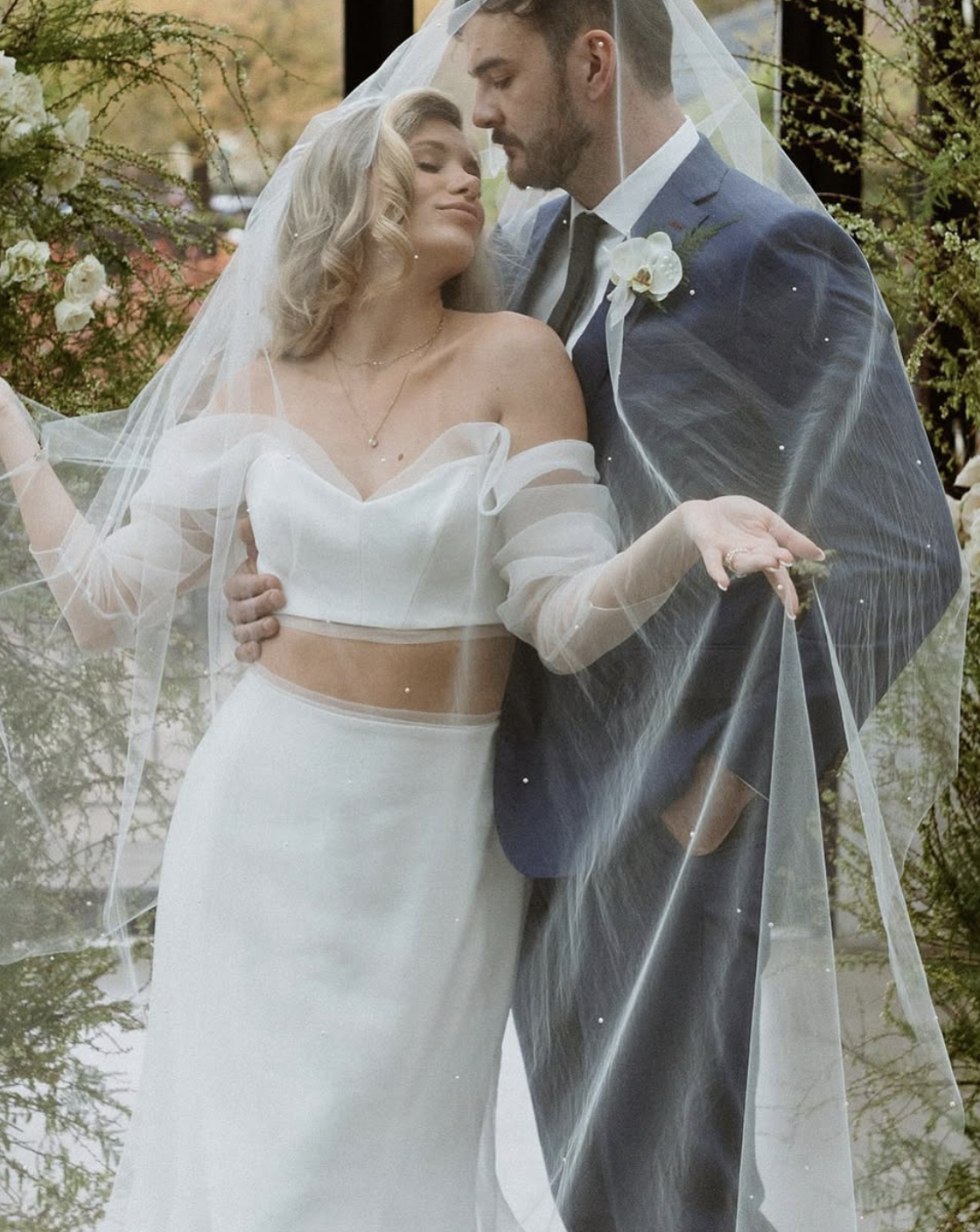
Start With Your Priorities
Before creating a floral checklist, take a step back and think about your wedding as a whole.
Where do you want guests to feel the strongest emotional impact? What moments matter most to you? Which spaces will be photographed the most?
For some couples, the ceremony is the heart of the day and deserves the majority of the floral investment. For others, it's the reception atmosphere that matters most. Some may care deeply about personal flowers and intimate details, while others dream of a statement installation that sets the tone for the entire celebration.
There is no right answer. The goal is not to have flowers everywhere. The goal is to use flowers where they will make the greatest difference.
Ceremony Florals
For many weddings, the ceremony is where flowers have the most visual impact. It is often the first space where guests begin to experience the overall design of the day, setting the tone for everything that follows. Before the music begins and before vows are exchanged, the ceremony environment quietly communicates the atmosphere you've worked so hard to create.
This is also where some of the most meaningful moments of the day unfold. It's where you'll walk down the aisle, exchange promises, and begin your marriage surrounded by the people you love most. Because so much attention naturally centers on the ceremony, floral design in this space tends to carry more visual weight than almost anywhere else.
The good news is that a beautiful ceremony doesn't necessarily require an abundance of flowers. In fact, some of the most impactful ceremony designs rely on just a few thoughtfully placed floral moments. A well-designed focal installation, carefully arranged aisle flowers, or a meaningful floral backdrop can completely transform a space without requiring arrangements on every chair or surface. When placed intentionally, even a small number of floral elements can create a ceremony that feels immersive, memorable, and deeply connected to the overall story of the day.
Most couples begin with:
Bridal bouquet
Bridesmaid bouquets
Boutonnieres
Corsages, if desired
These pieces are highly personal and appear throughout the day, making them some of the most versatile floral investments.
Ceremony Focal Point
A ceremony installation, floral arch, grounded arrangement, or altar design often does more to transform a space than dozens of smaller arrangements combined. Because the ceremony is where everyone's attention naturally gathers, a thoughtfully designed focal point has the power to shape the entire atmosphere of the space.
Whether it's a floral meadow framing your vows, a sculptural installation that complements the landscape, or an arch that anchors the ceremony site, these larger design elements create a visual centerpiece for one of the most meaningful moments of the day. They help define the space, draw the eye, and establish a sense of intention from the moment guests arrive.
One of the greatest benefits of investing in a strong focal piece is that it creates significant impact without requiring flowers throughout the entire venue. Rather than spreading your floral budget across countless small arrangements, concentrating it into one meaningful design moment often results in a more cohesive and memorable experience. These installations not only frame your ceremony beautifully but also become some of the most photographed and recognizable elements of the day.
Cocktail Hour Florals
Cocktail hour is often overlooked in floral planning, but it doesn't necessarily require extensive design to feel polished and intentional. Unlike the ceremony or reception, guests are typically moving through the space, mingling with one another, grabbing drinks, and enjoying the transition between events rather than sitting and taking in the décor for an extended period of time.
Because of this, a few thoughtfully placed floral moments can have a surprisingly big impact. Strategic arrangements at key gathering areas help create a welcoming atmosphere without the need for elaborate installations or extensive styling. The goal isn't to fill the space with flowers, but to add touches that make the experience feel cohesive and connected to the rest of your wedding design. Often, a handful of intentional floral accents is all that's needed to elevate the space beautifully.
Consider adding florals to:
Welcome displays
Bar areas
Escort card tables
Lounge spaces
Rather than treating cocktail hour as a separate floral event, think about how your existing designs can carry into this portion of the celebration.
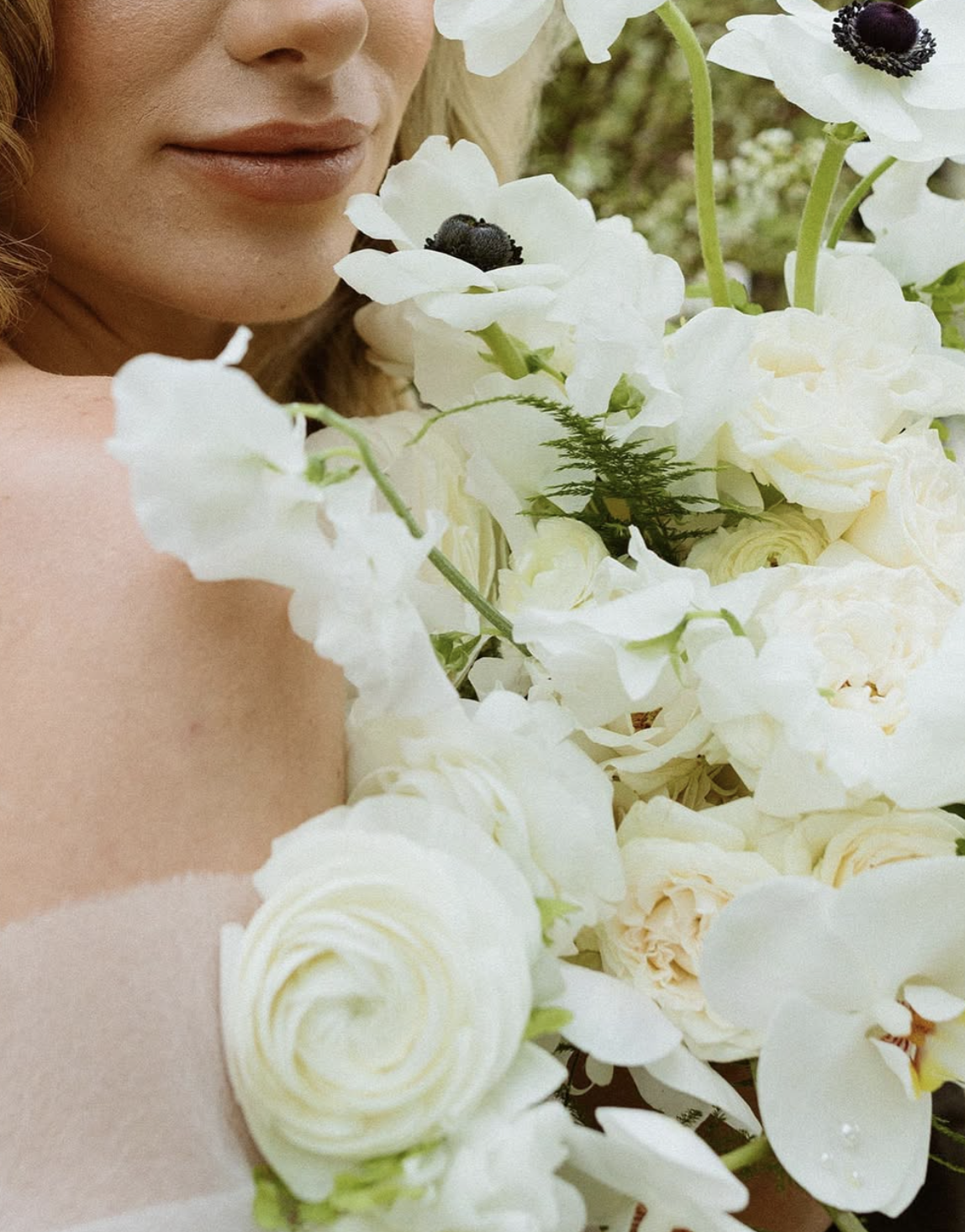
Reception Florals
The reception is where couples often feel pressure to decorate every surface. In reality, thoughtful placement is far more effective than sheer quantity.
Guest Tables
Centerpieces are often the first thing couples think about when planning reception flowers. After all, guest tables make up a large portion of the reception space and are where guests will spend much of the evening dining, celebrating, and connecting with one another.
However, not every table needs an elaborate arrangement to feel beautiful. Depending on your style and overall vision, a collection of bud vases, a smaller centerpiece, or a mix of candles and florals can create a warm, inviting atmosphere while maintaining visual balance throughout the room. Thoughtful layering often creates just as much impact as abundance.
The goal is to enhance the guest experience, not overwhelm it. Floral centerpieces should contribute to the atmosphere while still allowing for easy conversation, comfortable sightlines, and a sense of openness. When designed with intention, even the simplest table arrangements can help create a reception that feels cohesive, welcoming, and memorable.
Sweetheart or Head Table
If there is one reception area worth prioritizing, it's often the sweetheart table or head table. This space naturally draws attention throughout the evening and serves as a backdrop for many of the moments guests will remember most.
From dinner and toasts to candid conversations and photographs, the sweetheart or head table remains a visual focal point for much of the reception. Thoughtfully designed florals here can create a strong anchor within the room, helping to tie together the overall aesthetic while adding depth, texture, and a sense of occasion. Even if other areas of the reception are kept simple, investing in this space can have a significant impact on the overall look and feel of the celebration.
Reception Statement Pieces
Depending on your venue, overall design vision, and priorities, you may choose to include one larger floral moment during the reception. While not every wedding needs a statement installation, a single impactful design can dramatically elevate the space and create a memorable focal point for guests.
Whether it's a hanging floral installation above the dance floor, a lush arrangement framing the sweetheart table, or a striking design at the reception entrance, these larger pieces help establish atmosphere and draw attention to key areas of the celebration. When thoughtfully placed, one statement floral moment can carry significant visual impact and help the entire reception feel more intentional and cohesive.
Not every wedding needs one, but when thoughtfully placed, a single statement piece can carry tremendous visual impact.
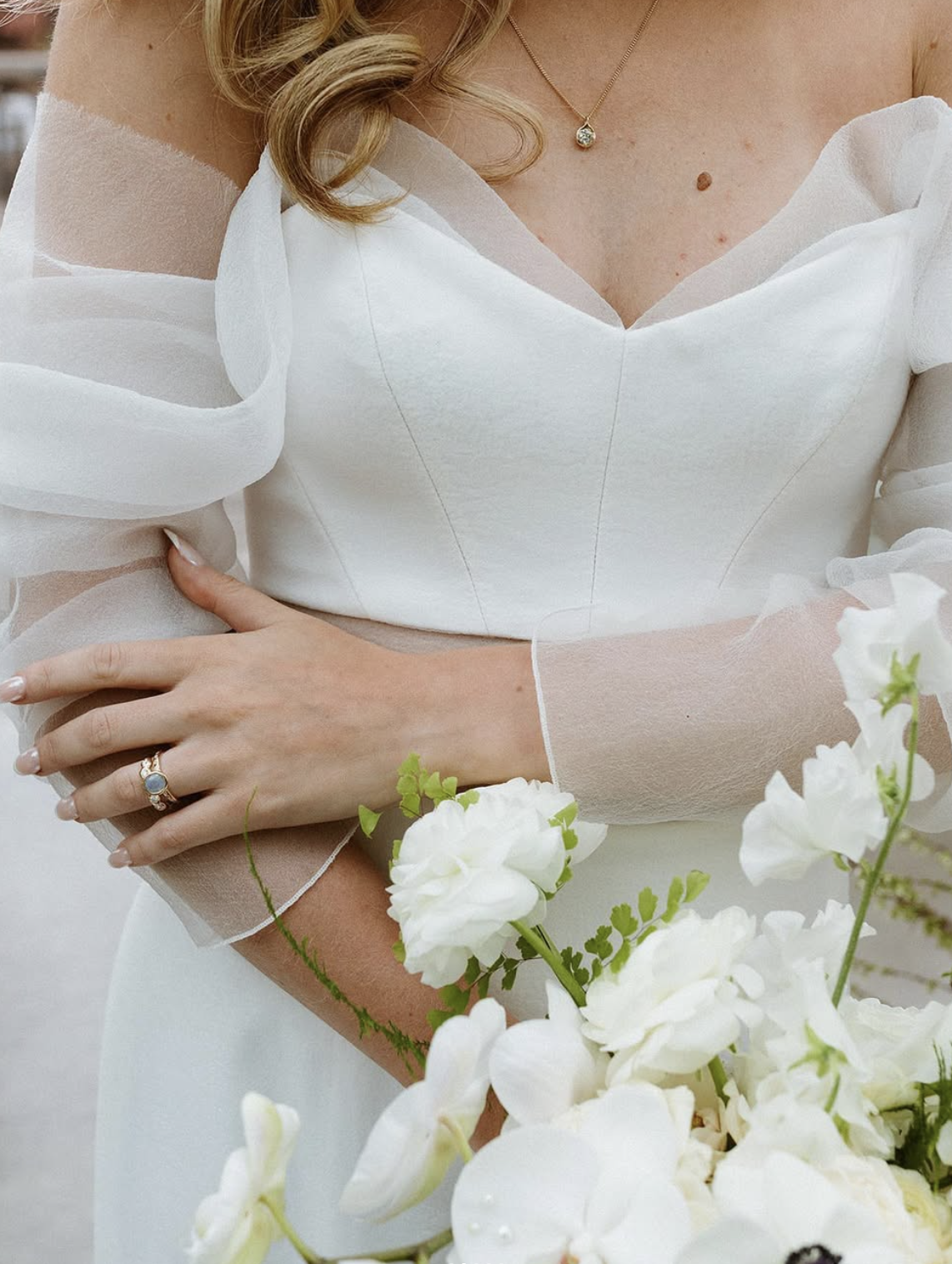
The Spaces That Don't Always Need Flowers
One of the biggest misconceptions in wedding design is that every space needs to be decorated. When couples begin planning, it's easy to feel like every table, corner, shelf, and surface should have something placed on it. But often, the opposite approach creates a stronger overall design.
Allowing certain areas to remain simple creates breathing room throughout the venue and gives your floral moments the opportunity to stand out more clearly. When every space is competing for attention, even the most beautiful arrangements can lose some of their impact. Thoughtfully placed florals feel more intentional when they're surrounded by space.
Not every corner requires an arrangement. Not every table needs flowers. Not every surface needs styling. In many cases, restraint creates a more elevated and cohesive atmosphere than abundance ever could.
Sometimes what you choose not to decorate is just as important as what you do. Leaving room for the architecture, the landscape, the candlelight, or simply the experience of being present allows your most meaningful floral moments to shine even brighter.
Building a Wedding Flower Checklist That Works for You
Rather than asking how many flowers you need, consider asking a different question:
Where will flowers matter most?
That simple shift in perspective can completely change the way you approach floral planning. Instead of focusing on quantity, you begin focusing on experience. You start thinking about the moments you want to highlight, the spaces you want to transform, and the atmosphere you want guests to remember long after the day is over.
When your floral design is built around intention rather than obligation, the result feels more personal, more cohesive, and often more impactful. Each arrangement has a purpose, and every floral moment contributes to the overall story of the celebration.
A thoughtfully designed wedding isn't measured by the number of arrangements it contains. It's measured by how those arrangements make the space feel, how they support the experience of the day, and how naturally they help bring your vision to life.
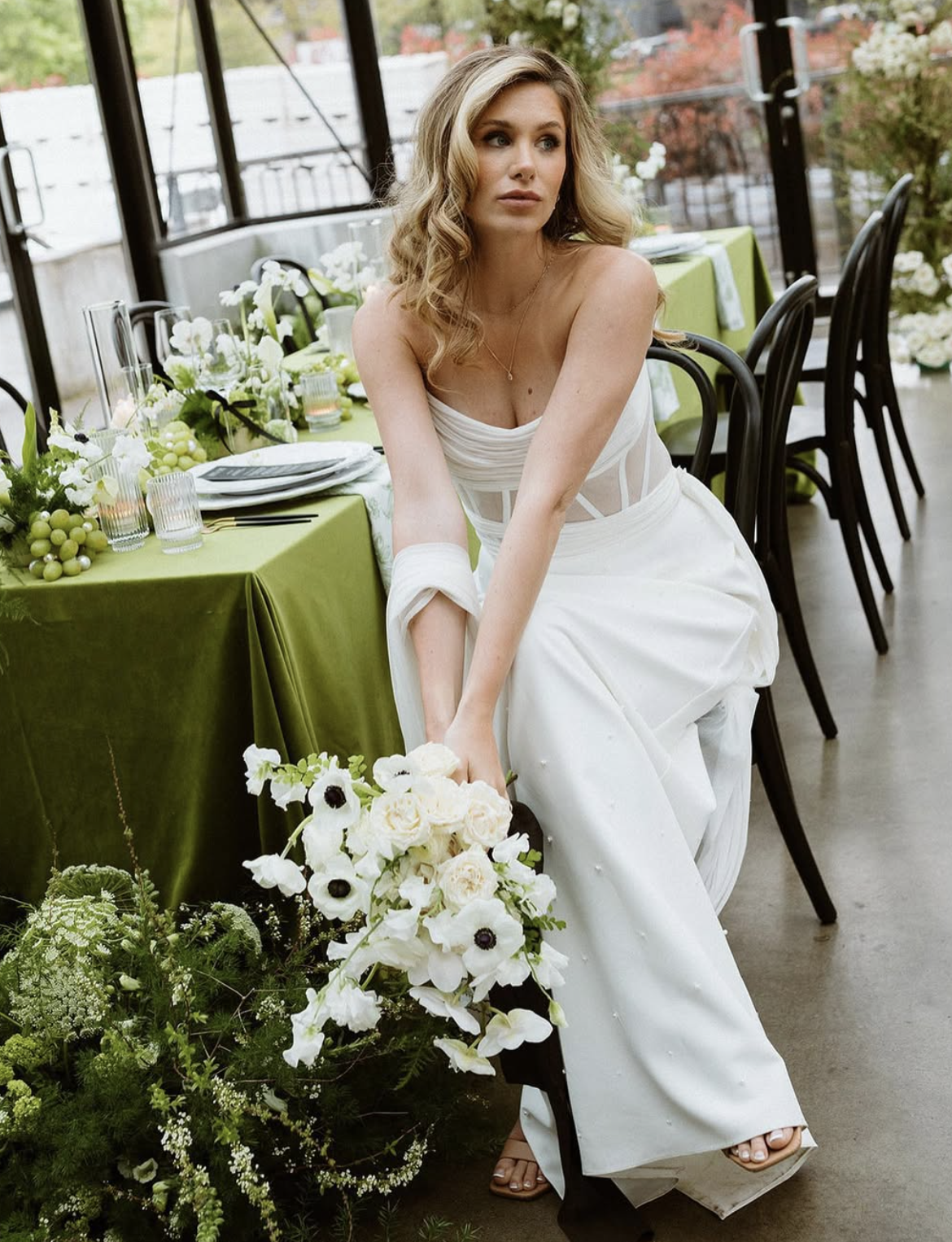
Designing With Intention, Not Obligation
The best wedding florals aren't necessarily the most abundant. They're the ones placed with purpose.
By focusing on key moments, meaningful spaces, and intentional design choices, you can create a wedding that feels beautiful and complete without feeling overfilled.
At the end of the day, flowers aren't there to occupy every inch of a venue. They're there to support the experience, tell a story, and help create an atmosphere that feels unmistakably yours.
Floral & Design: @moonflowerdesignco
Planner & Design: @wildserenityweddings
Photographer: @kaylasprint
Videographer: @kanerifilms
Dresses: @thedresstheoryseattle, @rimearodaky, @sarahseven
Stationery: @petit_shark_design
Hair & Makeup: @michellewight.hmu
Cake: @ladygreyseattle
Rentals: @nobleeventrentals, @arteitalicacrownlinen, @grandeventrentals, @hostedmodern, @nuagedesignsinc
Venue: @almquistfamily
Officiant: @another_one_ties_the_knot
Jewelry: @vancedavidsonjewelry
Content creator: @contentbychristina
Models: @art.by.elina, @samuel_prettyman